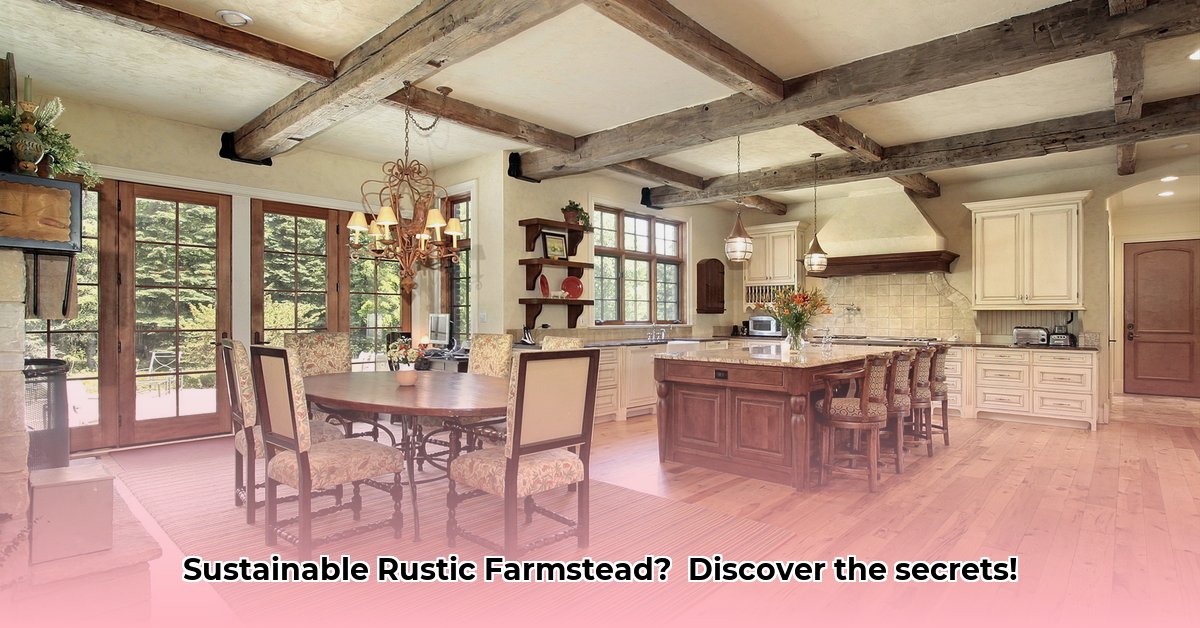
Rustic farmhouse style is incredibly popular, offering warm, inviting aesthetics. But what if you could achieve this cozy look while minimizing your environmental impact? This isn't just a trend; it's about creating a beautiful, sustainable home. This guide provides actionable steps to design a space that's both stylish and environmentally responsible. We'll explore eco-friendly materials, DIY projects, and ethical brands to help you build a home you'll love for years to come, without compromising the planet.
Understanding Sustainable Rustic Farmhouse Decor
Sustainable rustic farmhouse decor isn't just a catchy phrase; it's a holistic approach. It prioritizes responsible sourcing, mindful manufacturing, and product longevity. It's about choosing pieces built to last, reducing the need for constant replacements and minimizing waste. A key challenge is navigating the prevalence of "greenwashing"—companies making unsubstantiated eco-friendly claims. How can you identify authentically sustainable products? Look for brands that are transparent about their sourcing and manufacturing processes, and those that proudly display certifications from reputable organizations. Opacity is a major red flag.
Sourcing Sustainable Materials
The materials you choose are fundamental to your sustainable rustic farmhouse. Reclaimed wood offers a unique charm and reduces landfill waste; however, responsible sourcing is crucial. Did the wood come from sustainably managed forests? Was it salvaged ethically? Find suppliers who are transparent about their practices and ensure the wood's origins are ethical and environmentally sound. Natural paints and finishes are another smart choice. They typically contain lower levels of volatile organic compounds (VOCs) – harmful chemicals that impact indoor air quality – than synthetic alternatives. These choices are healthier for your family and the environment.
Material Selection: A Detailed Look
| Material | Advantages | Disadvantages | Sourcing Tips |
|---|---|---|---|
| Reclaimed Wood | Eco-friendly, unique character, durable, reduces landfill waste. | Limited availability, potentially higher cost, requires careful sourcing. | Check for certifications (like FSC for sustainably harvested wood), visit suppliers if possible to inspect their operations. |
| Natural Paints/Finishes | Low-VOC, healthier for you and your family, often biodegradable, enhances natural beauty. | Potentially less durable than synthetic paints, might require more coats. | Research brands that clearly list ingredients and prioritize environmental responsibility. |
| Organic Cotton Textiles | Soft, breathable, hypoallergenic, biodegradable, sustainable farming practices. | Can be more expensive than conventionally grown cotton, may require more careful care. | Look for GOTS (Global Organic Textile Standard) certification. |
Creating a Sustainable Rustic Farmhouse Space
Now let's focus on creating your space. Upcycling existing items is a powerful tool. That old window frame? Perfect for a unique mirror! Vintage crates? Adorable shelving units! Get creative and minimize waste. This approach adds a personal, unique touch while reducing your environmental footprint. Prioritize durable, repairable furniture made from sustainable materials. A well-made, solid wood table will last for generations, unlike cheaper, mass-produced furniture. Eco-friendly decor is surprisingly accessible. Consider natural fiber rugs, organic cotton textiles, and repurposed metal accents. These choices add warmth and texture without compromising your sustainability goals. Remember, quality over quantity is key.
Actionable Steps: Building Your Sustainable Space
- Declutter and Assess: Begin by evaluating your existing furniture and decor. What can be repurposed or upcycled? What needs replacing? (This step alone can significantly reduce waste.)
- Prioritize Sustainable Materials: Choose reclaimed wood, organic cotton, natural fibers, and low-VOC paints. (Aim for at least 75% sustainable materials in your final design.)
- Invest in Quality Furniture: Select durable pieces built to last a lifetime. (Consider the 'cradle-to-grave' lifecycle of any furniture you buy.)
- Add Eco-Friendly Touches: Incorporate natural materials like linen, jute, and bamboo. (These create a warmer, more inviting ambiance.)
- Support Sustainable Businesses: Research and choose brands aligned with your values. (Consider brands with transparency statements and relevant certifications.)
Supporting Sustainable Brands and Practices
Your purchasing decisions have power. Supporting businesses committed to sustainability amplifies your impact. Research companies with transparent supply chains and environmental practices. Consider this "voting with your wallet." By choosing these businesses, you're creating a market for sustainable products and encouraging others to follow suit.
Conclusion: Embracing the Sustainable Journey
Creating a sustainable rustic farmhouse is an ongoing process, not a destination. It's about learning, adapting, and making conscious choices to minimize your environmental footprint while creating a beautiful, lasting home. Every small step counts, and the result is a space you'll love for years to come, knowing you built it responsibly.